Delays on Stratford High Street rubbish collection fixes
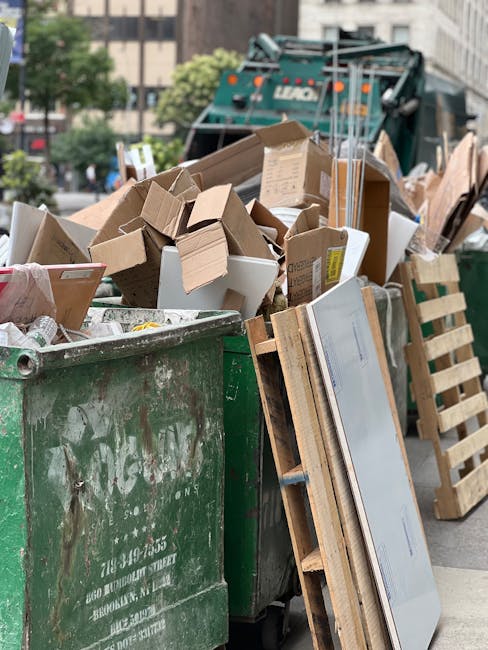
When rubbish builds up outside a flat block, shop, or office on Stratford High Street, the problem gets messy fast. A missed pickup is annoying enough on its own, but repeated delays can mean bin bags on the pavement, smells drifting in the warm air, and extra pests around the back entrance. If you are looking for Delays on Stratford High Street rubbish collection fixes, you probably want something practical, not theory. Fair enough.
This guide breaks down why delays happen, what usually fixes them, how to choose the right clean-up approach, and when a professional clearance service makes more sense than waiting it out. You will also find a checklist, a comparison table, and a few realistic examples from everyday situations around busy London streets where time is tight and space is tight too. That's the whole game, really.
Why Delays on Stratford High Street rubbish collection fixes Matters
Collection delays are not just a nuisance. On a busy road like Stratford High Street, they can affect residents, landlords, shopkeepers, office teams, and visitors all at once. One missed collection can turn into a small pile-up. Two or three missed collections can start affecting how a building feels and functions.
The knock-on effect is often bigger than people expect. Overflowing bins create odours, attract gulls and rodents, and make entrances look neglected. For businesses, that can be a customer issue. For shared housing, it can become a neighbour issue. For property managers, it becomes a complaint issue. None of that is fun to deal with on a Monday morning.
There is also a simple practical point: the longer waste sits there, the harder it is to handle cleanly. Bags split. Liquids leak. Cardboard soaks through. Food waste starts to cling to the bin area. Once that happens, a "quick tidy-up" is suddenly a much bigger job.
That is why the best delays-on-Stratford-High-Street rubbish collection fixes are usually a mix of short-term cleanup and longer-term prevention. If you only solve one half, the problem often comes back.
Expert summary: treat collection delays as a timing problem, a hygiene problem, and a communication problem at the same time. If you only chase the missed pickup, you may miss the real reason the waste keeps backing up.
How Delays on Stratford High Street rubbish collection fixes Works
There is no single fix, because delays usually come from different causes. Sometimes the issue is operational: access blocked by parked vehicles, overfilled bins, late placement of waste, or a missed handover from a building manager. Sometimes it is a capacity issue. And sometimes, to be fair, it is simply that the waste volume has outgrown the current collection routine.
In practice, the fix tends to follow a sensible order:
- Identify the cause. Is the waste not being collected, not being presented correctly, or not being removed fast enough?
- Separate urgent waste from routine waste. Food waste, damaged bags, and loose rubbish need faster attention than dry recyclables.
- Clear the immediate obstruction. This may involve moving bags into covered storage, splitting heavy loads, or removing bulky items that block bin access.
- Adjust the collection process. That might mean changing collection days, improving storage, adding signage, or using a one-off clearance.
- Prevent repeat delays. Better bin placement, better waste segregation, and more regular review usually reduce the same headache next week.
In a mixed-use street environment, the "fix" might be as simple as removing old furniture that has been leaning against the bin store for days. In those cases, a service such as furniture clearance or furniture disposal can restore access quickly, which then allows normal rubbish collection to resume properly.
Where the problem is larger - say a flat, a house, or a shared property that has built up too much waste after a move or refurbishment - broader clearance support may be more appropriate. Services like flat clearance, house clearance, or home clearance are often used when the issue is not just a missed bin day, but a backlog of unwanted items making the area hard to manage.
And if the delay comes from commercial premises, a slower waste flow can be a business waste issue rather than a domestic one. In that case, business waste removal or office clearance may be the more suitable route.
Key Benefits and Practical Advantages
The big benefit of fixing rubbish collection delays quickly is obvious: you get the area back under control. But the practical advantages go further than that.
- Better hygiene. Less exposed waste means less smell, fewer spills, and fewer pests.
- Improved access. Bin stores, rear alleys, loading areas, and entrances stay usable.
- Less friction with neighbours or customers. No one enjoys stepping around refuse bags on the way in.
- Lower risk of repeat build-up. Once the backlog is cleared, it is easier to see what is actually causing the delay.
- Cleaner presentation. This matters for rentals, sales viewings, offices, and shopfronts alike.
- More predictable routine. A proper system reduces the need for last-minute panic.
There is also a hidden benefit people overlook: clarity. When the waste area is already full, nobody can tell what is old waste, what is new waste, and what is simply in the wrong place. Clearing the backlog makes it much easier to manage the next collection cycle without guesswork.
That clarity matters whether you are a landlord dealing with a turnover between tenants or a facilities manager trying to keep a commercial entrance presentable before the morning rush. One tidy collection zone often saves three awkward conversations later.
Who This Is For and When It Makes Sense
This kind of fix is useful for a wide range of people, but the exact approach depends on what kind of property you are dealing with.
Residents and tenants
If your block has missed bins or messy shared waste areas, the immediate goal is to stop the build-up getting worse. In smaller homes, it may be enough to arrange a targeted waste removal visit for overflow items while you wait for the normal schedule to recover.
Landlords and letting agents
When a tenant moves out and leaves behind rubbish, the issue becomes a handover problem as much as a waste problem. A fast clearance can prevent complaints from neighbours and help the next tenancy start on a clean footing.
Shop owners and office managers
On a busy road like Stratford High Street, waste areas can become awkward very quickly if staff place bags out late or bulky packaging blocks access. If your premises produce regular waste, a routine review of business waste removal may be more effective than trying to patch the problem each week.
Builders and contractors
Building work creates a very different type of delay. Bricks, rubble, offcuts, plasterboard, and mixed debris can all slow down ordinary collection systems. In those cases, builders waste clearance is usually the cleaner fix.
Homeowners dealing with one-off clear-outs
Maybe the garage has become the unofficial storage unit. Maybe the loft is packed with old boxes. Maybe the garden shed has somehow become a graveyard for broken stuff. It happens. Services like garage clearance, loft clearance, and garden clearance can help when the delay is really a storage problem in disguise.
Step-by-Step Guidance
If you want a calm, sensible way to deal with rubbish collection delays on Stratford High Street, use this sequence. It is simple, but it works.
- Check what has actually been missed. Is it general rubbish, recyclables, food waste, bulky items, or building waste? Different waste needs different handling.
- Look at access. Are bins blocked by parked vehicles, locked gates, stacked items, or overfilled containers? Access issues are often the sneaky culprit.
- Move loose waste into secure containers. If bags are exposed, gather them safely so they are not spread by wind or animals.
- Remove bulky obstructing items. Old furniture, broken appliances, and bagged clutter can stop normal collections from working as intended.
- Decide whether a one-off clearance is needed. If the waste pile is too large or mixed for routine collection, book a clearance rather than waiting indefinitely.
- Make the collection point easier to use. Label bins, keep routes clear, and avoid placing waste in front of fire exits or shared access points.
- Review the schedule. If delays keep happening, the problem probably needs a permanent process fix, not another temporary tidy-up.
Small example: a ground-floor flat near Stratford High Street had repeated waste delays because old shelving, a mattress, and loose cardboard were squeezing the bin area. Once the bulky items were removed, the bins could be placed properly again. Not glamorous, but effective. Sometimes that is the whole story.
And yes, it is a bit annoying to sort through it all. But one properly cleared access route beats three weeks of "we'll deal with it later."
Expert Tips for Better Results
Here are the practical details that often make the difference between a short-lived fix and a lasting one.
- Keep the waste point visible and simple. If staff or residents have to guess where things go, they usually get it wrong.
- Separate bulky items early. Furniture, broken fixtures, and renovation debris should not sit with general rubbish.
- Use covered storage where possible. Covered areas reduce weather damage and discourage pests.
- Don't overload one collection day. A big end-of-week pile often causes more problems than a steady flow.
- Book clearances before peak pressure periods. End-of-tenancy dates, office moves, and refurbishment finishes tend to create bottlenecks.
- Think about the route. Waste is much easier to move when doors, stairs, lifts, and corridors are kept open.
One slightly overlooked trick: take a photo of the waste area when it is in good order. That gives everyone a simple visual reference for how it should look when working properly. No drama, no debate.
If you are dealing with repeated overflow, a service such as furniture clearance or home clearance can remove the items that keep clogging the system in the first place. That is often more useful than a quick sweep.
Common Mistakes to Avoid
Most waste delays are made worse by a handful of avoidable mistakes. They are simple things, really, but they creep in all the time.
- Leaving bags outside for too long. If collection is delayed, exposed bags can spread and attract pests.
- Mixing bulky waste with regular rubbish. A mattress, wardrobe, or pile of packaging can stall an otherwise easy collection.
- Blocking access points. Bins tucked behind locked gates, parked cars, or stacked items are a classic reason for missed collections.
- Assuming the problem will disappear next week. Sometimes it does. Often it does not.
- Ignoring the source of the backlog. If one flat, one business unit, or one storage area keeps generating overflow, fix that root cause.
- Using the wrong service for the waste type. Domestic rubbish, office items, and builders debris are not always handled the same way.
There is also a human mistake that shows up a lot: people wait until the waste area is unbearable before acting. By then the job takes longer, costs more in time, and feels ten times more stressful. A little early action goes a long way.
Tools, Resources and Recommendations
You do not need a warehouse of equipment to fix collection delays. Usually, a few basic tools and a clear plan are enough.
- Heavy-duty gloves for safe handling of damaged packaging and dirty bags.
- Reusable sacks or bins to regroup waste neatly.
- Trolleys or sack trucks for moving heavier items without dragging them through hallways.
- Labels and signs to show where general waste, recycling, and bulky items should go.
- Photographs of the area before and after clearance, useful for property records or management notes.
- A clear contact point inside the building, so issues are reported quickly rather than drifting for days.
From a service point of view, it helps to think about what type of clearance best matches the waste:
- Furniture disposal for broken or unwanted items that are stopping bin access.
- Garage clearance when storage spaces have become unusable.
- Loft clearance for hidden buildup that is suddenly causing space issues.
- Builders waste clearance for renovation debris.
- Office clearance for desks, chairs, paper waste, and outgrown furniture.
If you are comparing your options, it can also help to read the provider's service pages carefully. The aim is not just to get rid of rubbish. It is to restore a system that works without creating a new mess three days later.
Law, Compliance, Standards, or Best Practice
Waste handling in the UK comes with responsibilities, even when the issue seems small and local. You do not need to become a legal expert, but you should follow sensible best practice.
In plain English, the main points are these:
- Waste should be stored safely so it does not create a hazard.
- Different waste types should not be mixed carelessly if that creates contamination or safety issues.
- Bulky, sharp, or heavy items should be handled with care.
- Anyone arranging waste removal should use a provider that operates responsibly and transparently.
For landlords, managers, and businesses, the practical concern is usually not just compliance itself, but demonstrating that waste has been handled properly. That means keeping records tidy, choosing a clear process, and avoiding ad hoc dumping arrangements. If you are not sure, a straightforward service with clear policies tends to be the safer path.
It also helps to look at provider standards beyond the collection itself. Pages like health and safety policy, insurance and safety, recycling and sustainability, and terms and conditions give useful clues about how seriously a company treats the work.
That kind of detail matters more than many people realise. Anyone can say they "do rubbish removal." Not everyone can do it in a way that feels organised, safe, and properly thought through.
Options, Methods, or Comparison Table
When rubbish collection on Stratford High Street is delayed, you usually have a few different ways to respond. The right one depends on urgency, volume, and the type of waste involved.
| Option | Best for | Strengths | Limitations |
|---|---|---|---|
| Wait for the next standard collection | Small, one-off delays | No extra action needed if the issue is temporary | Risky if waste is already overflowing or obstructing access |
| Reorganise the bin area | Access problems, minor overflow | Quick, low-cost, often effective | Does not remove excess rubbish already built up |
| One-off waste removal | Backlogs, mixed rubbish, bulky items | Fast reset for shared spaces or busy properties | Needs correct sorting and a reliable provider |
| Specialist clearance | Furniture, builders waste, lofts, garages, offices | More suitable for heavier or larger jobs | May be more involved than a basic bin collection fix |
If you are not sure which option fits, think of it this way: if the issue is mainly that the bin area is untidy, reorganise it. If the issue is that the waste volume is too high for the area, remove the excess. Simple enough, though not always easy in real life.
Case Study or Real-World Example
A small office near Stratford High Street had a recurring waste problem. Paper sacks, packaging, a broken printer, and old office chairs had been left near the service entrance because staff kept meaning to sort them "later." The normal collection kept getting delayed because access was blocked and the volume was too mixed for a quick tidy-up.
What fixed it was not one dramatic step. It was a sequence:
- the bulky chairs were removed first;
- the packaging was flattened and grouped properly;
- the broken equipment was separated from general waste;
- the bin route was cleared; and
- a new weekly check was introduced so the area did not drift back into chaos.
The result was less about the collection itself and more about giving the collection a chance to work. That is the part people miss. The bin crew, the clearance team, and the building users all need the space to do their bit.
Another common scenario is a flat with an end-of-tenancy backlog. A landlord might think the issue is only one missed pickup, but in reality the property has old furniture, broken storage units, and a pile of mixed waste from the move-out. In that case, a targeted flat clearance or house clearance is often the cleaner reset.
Practical Checklist
Use this quick checklist when delays start causing a nuisance:
- Identify the exact waste type causing the delay.
- Check whether access is blocked or restricted.
- Remove bulky items that are clogging the area.
- Keep waste in secure, closed containers if possible.
- Separate general waste from bulky or specialist waste.
- Take photos before and after if you need a record.
- Decide whether a one-off clearance is needed.
- Review whether the regular collection routine still fits the volume produced.
- Confirm the area is safe, clear, and easy to use again.
- Put a simple prevention step in place so the problem does not repeat.
If you can tick most of those off, you are already ahead of the game. If not, do not worry. The first tidy-up is usually the hardest one.
Conclusion
Delays on Stratford High Street rubbish collection fixes are rarely about one magic solution. More often, they are about understanding what is causing the delay, clearing what is blocking the system, and putting a better routine in place so the same mess does not return. That might mean a simple reorganisation, or it might mean a full clearance for furniture, office waste, garden waste, or builders debris.
The important thing is to act before the waste area becomes a bigger problem than the collection delay itself. A clean access route, a realistic schedule, and the right removal method can save time, reduce stress, and make the whole property feel much more in control. And honestly, that feeling matters more than people admit.
Get a free quote today and see how much you can save.
If you want to learn more about the company behind these services, you can read about the team or explore the full range of support available through waste removal and related clearance services. Sometimes the easiest fix is simply getting the right help in the room.
Frequently Asked Questions
Why are rubbish collections delayed on Stratford High Street?
Delays can happen for several reasons, including blocked access, overfilled bins, mixed waste, missed handovers, or a collection schedule that no longer matches the amount of waste being produced. In busy streets, parked vehicles and tight loading spaces can make things worse.
What is the fastest fix for an overflowing bin area?
The fastest fix is usually to remove bulky items and free up access, then secure loose rubbish in closed containers. If the backlog is already large, a one-off clearance is often more effective than waiting for the next normal pickup.
Should I wait for the next collection or arrange a clearance?
If the waste is small and contained, waiting may be fine. If it is smelly, spread out, blocking access, or mixed with bulky items, arranging clearance is usually the more practical choice. Time, sadly, does not improve bad rubbish on its own.
What types of waste need specialist handling?
Bulky furniture, builders waste, office items, and mixed household clear-out waste often need a more tailored approach than standard rubbish collection. The exact method depends on the material, quantity, and access at the property.
Can furniture stop normal rubbish collection from working?
Yes. A sofa, mattress, wardrobe, or broken shelving can block the collection point or make it hard for crews to reach the bins. In those cases, furniture clearance or furniture disposal can clear the route.
What if the delay keeps happening every week?
That usually means the underlying process needs changing. It might be a storage issue, a volume issue, or a scheduling problem. Repeating the same quick fix every week is tiring and, let's face it, not very effective.
Is business waste handled differently from household rubbish?
Often, yes. Business waste tends to need a more structured collection or clearance plan, especially if it includes packaging, office furniture, or larger volumes. A service like business waste removal is often a better fit.
What should I do if rubbish is attracting pests?
Remove exposed waste as quickly as possible, secure the remaining bags, and clear any food debris or liquids. If the pile is too large or too mixed to manage safely, professional removal is usually the sensible next step.
How do I know if I need a house clearance rather than simple rubbish removal?
If the property contains a combination of unwanted furniture, general clutter, and waste that has built up over time, a broader clearance is usually the better option. House clearance or home clearance can reset the space more effectively.
What if the bin store is blocked by renovation debris?
That points towards builders waste rather than ordinary rubbish. Builders waste clearance is designed for that kind of material and is usually the cleaner way to restore access.
Can I use one service for a garage, loft, or garden backlog?
Yes, if the problem is mainly a buildup of stored or abandoned items. Garage clearance, loft clearance, and garden clearance are all useful when the delayed rubbish issue is really a space management issue.
How do I choose a provider I can trust?
Look for clear service information, transparent terms, attention to health and safety, and sensible recycling practices. Pages like pricing and quotes, insurance and safety, and recycling and sustainability are good signs that the service is properly thought through.