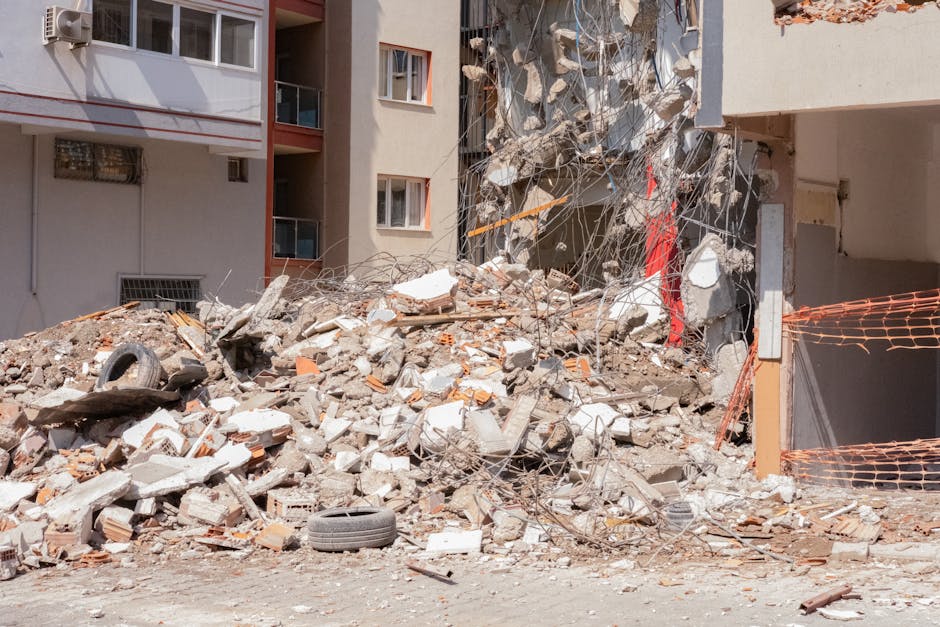
Stratford station builders rubble and rubbish removal: a practical guide for busy projects, tighter sites, and quicker clear-ups
If you are dealing with Stratford station builders rubble and rubbish removal, chances are the job is already messy, time-sensitive, and a bit more complicated than it looked on paper. Dust creeps into corners. Bags fill faster than you expected. The skip feels awkwardly placed. And if you are working near Stratford station, the pressure to keep things tidy, safe, and moving is very real.
This guide explains what builders rubble and rubbish removal involves, how the process usually works, who needs it, what to watch out for, and how to choose a sensible, compliant service. Whether you are clearing plasterboard, broken brick, timber offcuts, packaging, old fixtures, or mixed site waste, the aim is simple: get the space cleared without creating another problem. If you want to explore the company behind the service, you can also review the about us page and our health and safety approach.
Let's face it, nobody wants rubble sitting around longer than it has to.
Quick takeaway: the best builders waste removal service is not just about lifting heavy material. It is about access, timing, sorting, disposal, safety, and leaving the site ready for the next trade or the next stage of the job.
Table of Contents
- Why Stratford station builders rubble and rubbish removal Matters
- How Stratford station builders rubble and rubbish removal Works
- Key Benefits and Practical Advantages
- Who This Is For and When It Makes Sense
- Step-by-Step Guidance
- Expert Tips for Better Results
- Common Mistakes to Avoid
- Tools, Resources and Recommendations
- Law, Compliance, Standards, or Best Practice
- Options, Methods, or Comparison Table
- Case Study or Real-World Example
- Practical Checklist
- Conclusion
- Frequently Asked Questions
Why Stratford station builders rubble and rubbish removal Matters
Builders rubble is not the same as ordinary household clutter. It is heavier, sharper, dustier, and more awkward to handle. Rubble can include brick, block, concrete, mortar, plaster, tiles, stone, and soil. Builders rubbish usually refers to mixed site waste such as timber, packaging, old fittings, plastic sheeting, cable offcuts, metal scraps, and general debris from a renovation or refit.
Near Stratford station, that matters even more. Busy roads, tight access, loading restrictions, pedestrians, and day-to-day foot traffic can make a simple clear-up feel like a small logistics puzzle. You may have noise to think about, shared entrances, or limited space to stack waste safely. If you have ever tried to move a pile of broken masonry while people are coming and going, you know exactly why planning matters.
Good removal also protects the rest of the project. Loose rubble on a floor can slow trades down, create trip risks, and damage finishes. A pile of broken plasterboard near a doorway can turn into a bottleneck. Small delays have a funny way of becoming expensive ones. One missed clear-up can leave tilers waiting, decorators starting late, or a final clean pushed back another day.
There is also the sustainability side. Not every load should be treated the same way. Clean rubble, mixed waste, metal, timber, and plasterboard often need sorting differently. A service that understands recycling and proper segregation can reduce unnecessary waste and make the process more responsible. If that matters to you, have a look at our recycling and sustainability page.
How Stratford station builders rubble and rubbish removal Works
In practice, builders waste removal is usually a straightforward process, but the best jobs are the ones where the details are handled properly. Most removals follow a similar pattern:
- Assessment - The volume, type of waste, access points, and urgency are reviewed. A small flat strip-out is very different from a shop refit or a full renovation clear-out.
- Quoting - The service is priced based on how much needs removing, what type of material it is, and how difficult it is to load. If you need clarity before booking, the pricing and quotes page is a useful place to start.
- Scheduling - Timing is arranged around your project. In a station area, that might mean early starts, tighter windows, or a same-day slot if the site is piling up.
- Loading and sorting - Waste is removed from the property, yard, flat, shop, or site. Reusable or recyclable materials are separated where possible.
- Transport and disposal - The load is taken to the relevant disposal or recycling destination. Responsible handling matters here, and so does documentation where required.
- Final sweep-through - A decent team does not just leave the biggest pieces gone. They aim to leave the area safer and more usable than before.
Sometimes people imagine rubbish removal is just about "turning up with a van and taking stuff away". Not quite. On a busy site, the order of operations matters. You do not want waste dragged through a finished hallway or loaded in a way that risks damage to walls, lifts, or flooring.
And yes, a good team should know how to work around awkward things like stairwells, basement access, shared courtyards, or that one corridor that always seems narrower than it should be.
Key Benefits and Practical Advantages
The obvious benefit is clearing space. But the real value goes further than that. A proper builders rubble and rubbish removal service can improve the whole project flow.
- Safer working conditions: fewer trip hazards, less loose debris, and clearer access routes.
- Faster project progress: trades can move without waiting for waste to be shifted.
- Cleaner presentation: especially important for landlords, letting agents, retail units, and customer-facing spaces.
- Less stress: you do not have to organise bins, lifting, transport, and disposal yourself.
- Better space use: clear rooms, yards, or access areas make the next phase easier to plan.
- More responsible waste handling: sorting and recycling can reduce what goes to landfill or general disposal.
For small refurbishments, the biggest advantage is often speed. A room can go from "we cannot do anything here yet" to "right, we can crack on now" in a single visit. For larger sites, it is about rhythm. Waste removed on time keeps the whole job from feeling clogged up.
There is also a customer-facing benefit that is easy to miss. If you are a shop, office, or landlord close to Stratford station, a tidy site sends a message. It tells people the job is being managed properly. That matters.
Who This Is For and When It Makes Sense
Builders rubble and rubbish removal is useful for a wide range of people, not just contractors. In our experience, the people who benefit most are those juggling space, timing, and access at the same time.
- Homeowners clearing renovation debris after a kitchen, bathroom, loft, or extension project.
- Landlords and letting agents dealing with post-tenancy strip-outs or refurbishment waste.
- Builders and tradespeople who need fast site clearance between phases of work.
- Shop owners and managers updating a unit near a busy transport hub.
- Office fit-out teams needing mixed waste removed without disrupting the schedule.
- Developers and property managers who want the site kept safe and presentable.
It makes sense when the waste is too much for normal bins, too heavy for a casual DIY clear-up, or too awkward to move safely without proper equipment. It also makes sense when timing is tight. If a room needs clearing before plastering, flooring, or final snagging, waiting a week for a convenient weekend is often not the best plan.
Truth be told, many people leave this too late. They keep stacking debris "just for now", and suddenly the pile becomes the problem. That is the moment where a quick, professional clearance starts to feel less like a luxury and more like damage control.
Step-by-Step Guidance
If you are arranging Stratford station builders rubble and rubbish removal for the first time, here is the simple version of how to approach it.
- Identify the waste types. Separate rubble, timber, metal, plasterboard, packaging, and any items that may need special handling. Mixed waste is fine, but knowing what you have helps everything else.
- Estimate volume honestly. It is easy to underestimate. A few rubble sacks look small until they are all in one corner, then suddenly the room feels like a depot.
- Check access. Note stairs, lifts, narrow hallways, parking limits, and whether waste needs to be carried through shared spaces.
- Choose your clearance timing. Pick a slot that avoids clashing with delivery windows, peak footfall, or active trades on site.
- Ask about sorting and disposal. It is sensible to know how the waste will be handled, especially if you want as much material as possible diverted for recycling.
- Confirm payment and booking terms. A clear process avoids awkward surprises later. You can review our payment and security information and our terms and conditions if you want to understand the basics before booking.
- Prepare the site. Keep routes clear, separate any items to retain, and make sure fragile surfaces are protected where needed.
- Do a final walk-through. Before the team leaves, check that the agreed areas are cleared and that nothing important has been removed by mistake.
If you want a smoother experience, communicate early. A quick message saying, "There are three flights of stairs, mixed rubble, and one awkward side entrance" is much more helpful than a vague "there's a bit of waste". Bit of waste can mean anything. Anything at all, really.
Expert Tips for Better Results
The difference between a decent removal and a genuinely smooth one is usually in the details. These tips come from the sort of situations where a site looks manageable until you stand in it for five minutes and realise there are six small complications hiding in plain sight.
- Sort clean rubble from mixed waste where possible. Clean hardcore is often easier to handle and may be routed differently from general site rubbish.
- Keep plasterboard separate if you can. It is commonly treated differently from general mixed builders waste.
- Protect finished surfaces before loading. A little board, blanket, or floor protection can save a lot of frustration.
- Leave a clear path. This sounds obvious, but people often forget the route is as important as the pile itself.
- Use labelled bags for small debris. It speeds up handling and helps avoid loose dust everywhere.
- Plan for dust and noise. Even when everyone is careful, rubble removal is not a silent hobby.
One useful habit is to build in a little margin. If you think the job will take one collection, ask yourself whether there might be a second pile lurking in another room, behind a cupboard, or in the garden. There often is. Projects have a way of producing surprise leftovers.
Another tip: make sure everyone on-site knows what is staying and what is going. That sounds basic, but a misplaced item can create more drama than it should. A toolbox, a spare fixture, a bag of fittings - gone in a second if nobody is paying attention.
Common Mistakes to Avoid
People tend to run into the same few problems when arranging rubble and rubbish removal. They are avoidable, which is the good news.
- Underestimating the load. "Just a few bags" turns into a full van quickly.
- Mixing everything together without checking. Not all waste is handled the same way.
- Ignoring access constraints. Tight stairs, parking, or loading restrictions can change the plan fast.
- Leaving waste blocking the work area. It slows everyone down and can create hazards.
- Not confirming what is included. Make sure bulky items, heavy material, and sorting expectations are clear.
- Forgetting about timing. If a next trade is due on site, delays can cascade.
There is also the classic mistake of assuming "we'll sort it later". Later has a habit of becoming tomorrow, then next week, then a growing mess that nobody feels responsible for. It happens.
If the job is in a shared building or near a public route, small mistakes have bigger consequences. Noise, dust, blocked corridors, and unsafe storage can quickly become complaints. For that reason, it is worth choosing a provider that takes site behaviour seriously, not just the removal itself.
Tools, Resources and Recommendations
Depending on the job, the tools used in builders rubble and rubbish removal may include sack trucks, trolleys, protective gloves, floor coverings, dust sheets, shovels, brushes, crates, and sturdy bags. None of this is glamorous, obviously, but the right kit makes a visible difference.
For customers, the most useful "resources" are usually the pages that explain how the service works before anyone turns up. If you are comparing providers or trying to understand what to expect, these pages are worth a look:
- pricing and quotes for understanding how jobs are assessed
- recycling and sustainability for how waste is handled responsibly
- insurance and safety for reassurance around risk and site handling
- health and safety policy for a better sense of working practice
- contact us if you want to ask about a specific clearance
A practical recommendation: take photos before booking, especially if access is awkward or the waste is spread across multiple rooms. A few clear images often help more than a long explanation. And if you cannot easily describe the pile, a photo saves time for everyone.
Law, Compliance, Standards, or Best Practice
Waste removal in the UK comes with responsibilities, even when the job looks small. You do not need to turn into a compliance expert overnight, but a basic understanding helps you avoid poor decisions.
As a general rule, waste should be handled by people who are competent to do so, moved safely, and taken to appropriate disposal or recovery facilities. Mixed builders waste, heavy rubble, sharp material, dust, and potentially contaminated items all need sensible handling. If a site has special hazards, the approach should be adapted accordingly.
Best practice usually includes:
- keeping walkways clear
- loading waste safely to reduce manual handling risks
- separating recyclable or reusable materials where practical
- avoiding illegal dumping or unverified disposal arrangements
- protecting workers, residents, visitors, and neighbouring properties from avoidable hazards
If you are hiring a removal service, ask whether they are insured and how they manage safety. That is not being fussy. It is common sense. You can review our insurance and safety information if you want to see how a responsible service presents that side of the work.
For commercial clients, especially those operating near a busy station area, it is also wise to think about neighbour impact. Noise, dust, and access disruption should be handled with care. A bit of planning saves awkward conversations later, and nobody enjoys those at 7:30 in the morning.
Options, Methods, or Comparison Table
There is more than one way to clear builders rubble and rubbish. The right method depends on volume, access, urgency, and how much sorting you are willing to do yourself.
| Method | Best for | Pros | Limitations |
|---|---|---|---|
| Self-loading with a vehicle | Very small loads | Low direct cost if you already have transport | Time-consuming, physically demanding, and awkward with heavy rubble |
| Skip hire | Longer projects with space for a skip | Convenient for ongoing waste generation | Requires space, can be inconvenient in tight or busy areas |
| Professional waste removal team | Mixed waste, tight access, urgent clear-outs | Fast, labour included, less hassle for you | Usually needs a clear quote and schedule |
For many Stratford station jobs, professional removal tends to make the most sense because access is the issue as much as the waste itself. If you have room for a skip and time to manage loading yourself, that may work fine. But if the site is busy, the waste is heavy, or the deadline is close, a removal team usually feels like the calmer option.
Put simply: choose the method that fits the job, not the other way around.
Case Study or Real-World Example
Here is a realistic example based on the kind of work people often ask for. A small property near Stratford station has just had a bathroom stripped out. The room contains broken tiles, old plaster, packaging, a dismantled vanity unit, and a few bags of mixed debris. The hallway is narrow, the lift is shared, and the residents want the waste gone before the next contractor arrives the following afternoon.
In that situation, the best approach is usually to:
- confirm access in advance
- separate the heaviest rubble from lighter rubbish where possible
- protect the route through the building
- book a time when traffic through the property is quieter
- remove everything in one clean visit if the load allows
The result is not just a clear room. It is a clearer schedule. The tiler can start on time. The dust does not linger. The building manager is not chasing after loose waste sacks. And the project feels under control again, which is a nicer feeling than it sounds.
That kind of outcome is why people pay for removal rather than trying to piece it together themselves. It is less about the rubble and more about getting momentum back.
Practical Checklist
Use this checklist before arranging Stratford station builders rubble and rubbish removal. It saves headaches, honestly.
- Identify the waste type: rubble, mixed builders rubbish, timber, metal, plasterboard, or bulky items
- Estimate volume as accurately as you can
- Check access routes, stairs, parking, and loading restrictions
- Confirm the timing around other trades or property use
- Separate materials that should not be mixed if practical
- Protect floors, walls, and finished surfaces
- Confirm what the quote includes
- Review payment, booking, and service terms
- Ask how waste will be handled and whether recycling is part of the process
- Make sure someone on-site can confirm what is to be removed
- Do a final walk-through before the team leaves
Small list, big difference.
If you are arranging a larger or more sensitive clearance, it is also worth reading the site policies that explain how a provider operates. Pages such as the complaints procedure, accessibility statement, and cookie policy may seem like background detail, but they help show how seriously a business treats its wider responsibilities.
Conclusion
Stratford station builders rubble and rubbish removal is really about keeping a project moving without letting waste take over the space. When the access is tight, the timings are compressed, or the site needs to stay presentable, a careful, well-organised clearance can make everything feel easier. Cleaner floors, safer routes, less noise in your head. That is the real win.
Choose a service that understands heavy waste, mixed materials, safe handling, and the pressures of working near a busy transport area. Ask sensible questions. Check the practical details. Keep the communication clear. It does not need to be dramatic, just well managed.
Get a free quote today and see how much you can save.
If you want to know more about who we are and how we work, visit our about us page or go straight to contact us for a straightforward conversation about your clearance.
And if you are still weighing things up, that is fair enough. A good decision is usually the one that leaves the site calmer than it found it.
Frequently Asked Questions
What counts as builders rubble and rubbish removal?
It usually means collecting and disposing of waste created by building, renovating, stripping out, or refurbishing a property. That can include brick, concrete, plaster, tiles, timber, packaging, fittings, and general site debris.
Is builders waste different from household rubbish?
Yes. Builders waste is often heavier, sharper, dustier, and more varied. It also usually needs a different disposal approach from everyday domestic rubbish.
How do I know if I need professional removal instead of doing it myself?
If the waste is heavy, bulky, awkward to access, or time-sensitive, professional removal often makes more sense. It is especially useful when stairs, parking, or shared access make DIY clearance a hassle.
Can mixed rubble and rubbish be collected together?
Often yes, but it depends on the composition of the load. Clean rubble, plasterboard, metal, timber, and general mixed waste may need to be treated differently, so it helps to describe the materials accurately.
What should I do before the removal team arrives?
Clear the access route, separate anything you want to keep, and make sure the waste pile is easy to identify. If possible, protect floors and note any awkward access points.
How long does a typical clearance take?
It depends on the volume, access, and type of material. A small load can be handled quickly, while larger or more awkward sites may take longer. The simplest answer is: the better the access, the smoother the job.
Do I need to sort the waste myself first?
Not always. Some services can remove mixed waste, but sorting certain materials can improve efficiency and make recycling easier. If you have the time, a little sorting usually helps.
What happens to the waste after it is collected?
It should be taken for appropriate disposal or recovery, with recyclable materials separated where practical. Responsible handling is a key part of the service, not an optional extra.
How can I get an accurate quote?
Give clear details about the type of waste, rough volume, access conditions, and timing. Photos are often very helpful. You can also review pricing and quotes before getting in touch.
Is it safe to leave rubble piled up on-site for a few days?
It is not ideal. Loose rubble can become a trip hazard, block access, and make later work slower. If possible, remove it promptly so the site stays safer and easier to manage.
Do you handle rubbish removal for homes as well as commercial sites?
Yes, the same basic principles apply to both, although commercial jobs may involve tighter schedules, larger loads, or different access arrangements. The key is to match the clearance plan to the site.
How do I ask about insurance and safety?
Just ask directly. A reputable provider should be happy to explain how they manage risk and protect both people and property. You can also read the insurance and safety information for reassurance.
What if I have an issue after the job is done?
You should contact the company promptly and explain the problem clearly. A transparent provider will have a process for dealing with complaints, and it is worth checking that information before booking.